NEW ZEALAND BUSINESS · STORE OBSERVATIONS
The Woman Who Loved Flowers
A woman who usually smiled had sighed.
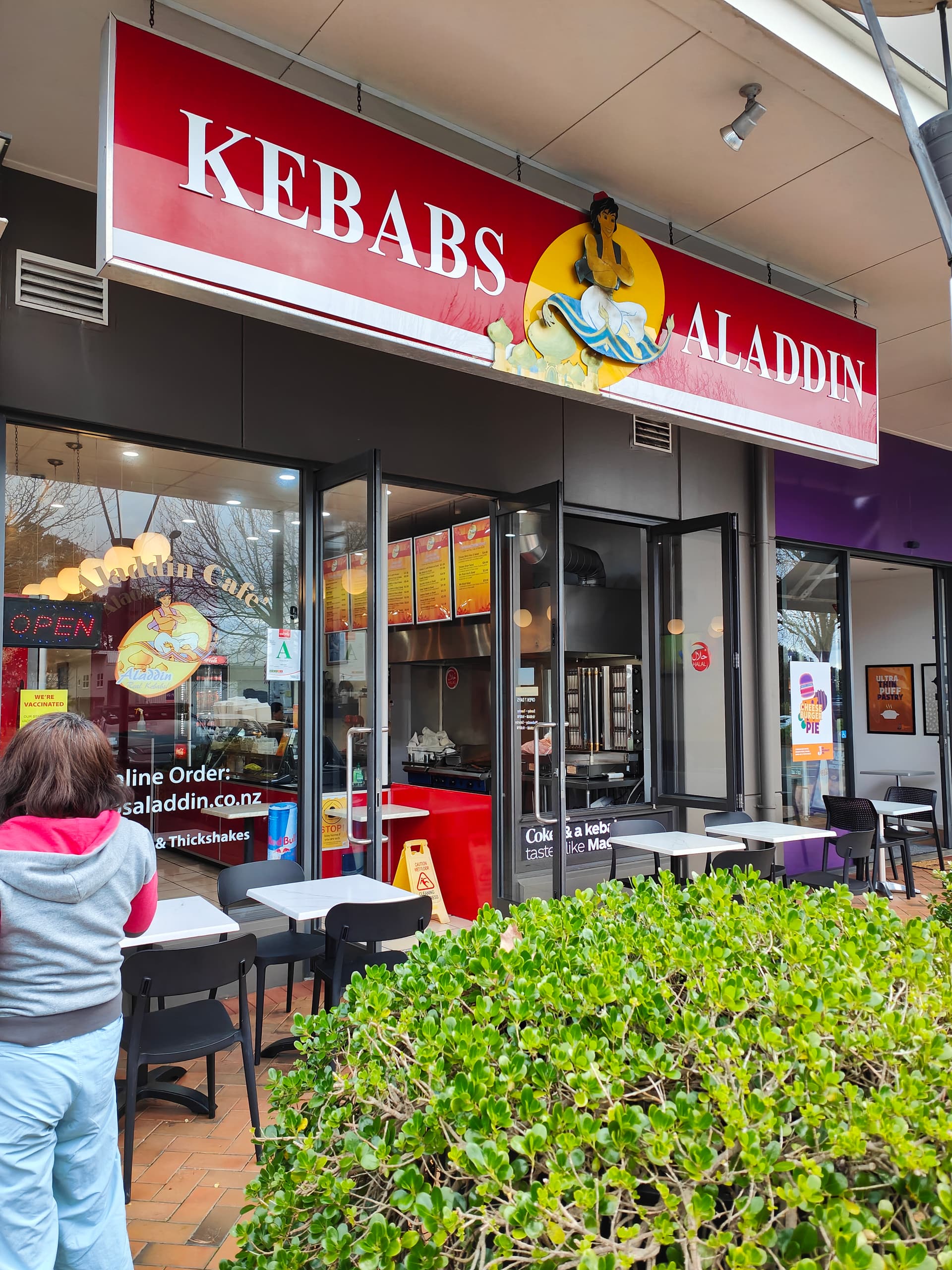
The first time I ate there, I thought it was a Vietnamese restaurant. There was pho on the menu, and Vietnamese spring rolls. The owner spoke Vietnamese and Cantonese. More than ten years later, I still do not know whether she was, in fact, Chinese from Vietnam.
The Table at the Back
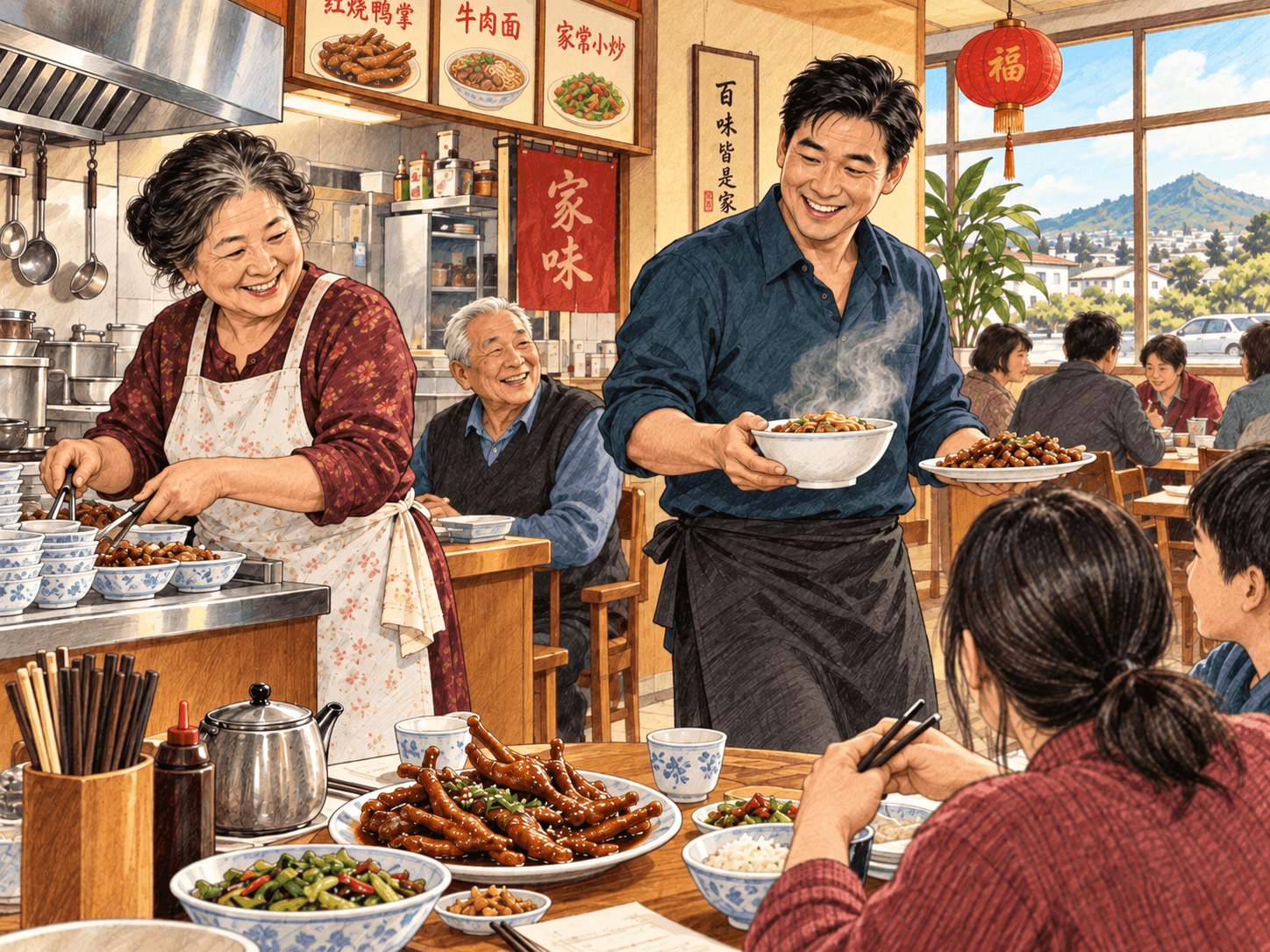
The restaurant was small. Tables ran down both sides. There were only two large ones; on the right, a few smaller tables could seat two on their own or be pushed together for four.
I always liked the table at the very back, beside a screen. Behind it they kept bowls and chopsticks. Once you sat there, one side of the room disappeared. It was quieter, with fewer people passing. Later, whenever I booked and the table happened to be free, the owner would keep it for me. No one ever said anything about this. Little by little, it became the place where I sat.
There were always flowers on the counter, and they were always real. Sometimes a large bunch opened so exuberantly that the card terminal had to make room for it; sometimes there were smaller flowers, sometimes a pot of asparagus fern. The seasons changed and so did the flowers. I could not name most of them. I only knew that when I came back after a while, the colour on the counter would be different. I once asked where they came from. She said she bought them herself. Fresh flowers are not cheap in New Zealand. She kept buying them anyway. Only later did I notice that the restaurant’s name also contained the word “flower”.
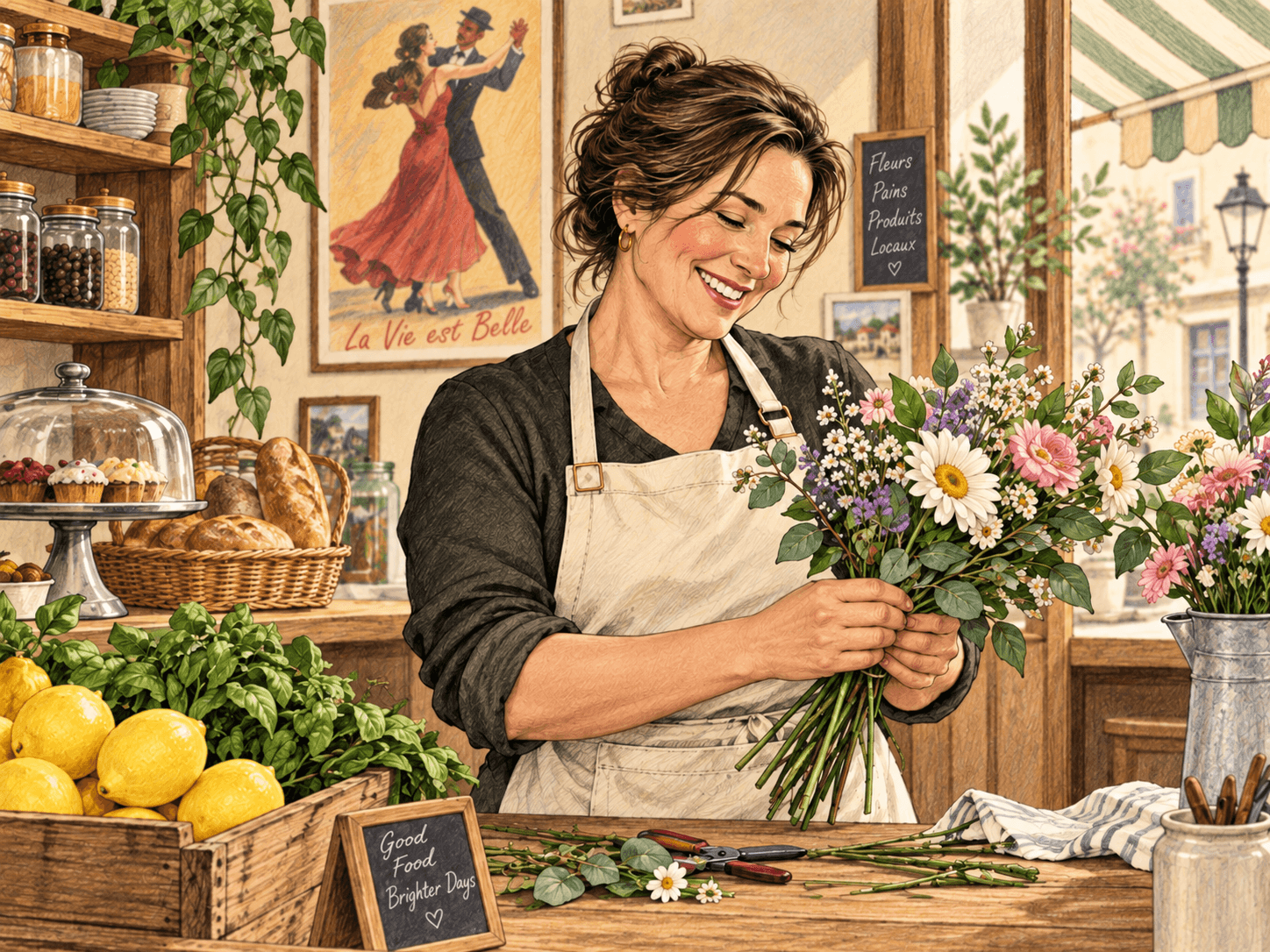
There was always music, but no pop songs and no singing, only something light and instrumental. Customers talked, chopsticks touched bowls, and now and then crockery clinked behind the screen. The music moved quietly through it all. The tables were clean, and so was the toilet. I have been in plenty of Chinese restaurants where the food had not yet given me an opinion but the toilet already had. Hers was different. The toilet was kept as though it, too, expected guests.
When you sat down, the first thing to arrive was not a glass of water but a pot of hot tea and a small dish of peanuts. She set them down and went back to work. Sometimes I did not call her over straight away. I drank the tea and ate a few peanuts. Over the years I became used to going there. It was not always that I wanted a particular dish. Mealtime would come, I would think for a moment, and then decide: I might as well go there.
Thirty years ago, when I worked in Shanghai, I lived in a narrow lane. At its entrance was a small eating place that sold large pork wontons and a few homely dishes. After work I often stopped there first for a bowl of wontons. I no longer remember clearly how they were folded. What I remember is the bowl arriving, chopped spring onion floating on the hot broth, with a green herb we used to call something that sounded like “yan sui” — probably coriander. Tiny leaves drifted on the surface.
Shanghai winters were damp and cold. After walking outside, your hands and feet stayed chilled. You drank the broth and ate the wontons one by one; slowly, sweat appeared on your forehead. Your stomach warmed, then the rest of you. Afterwards I walked deeper into the lane. The next evening after work, I would often stop there again.
“Thank You, We Don’t Want To”
The owner has three sons and is now a grandmother, but she is still often at the restaurant, usually smiling. She speaks English, Mandarin, Cantonese and Vietnamese. Sometimes when I phone, her first sentence is in Vietnamese. I understand nothing. Once she recognises my voice, she switches. At the counter she might speak Cantonese to one customer, turn and use English with the next, then greet someone else in another language. With her, languages seem not to require changing gears.
Sometimes I run into her at the market, checking bunches of greens one by one. I once asked, “You still come and buy the vegetables yourself?” She said, “If you buy them on the day, they’re fresher.”
A friend of mine once worked with a food-delivery platform in New Zealand, something like Meituan in China. I said to her, “Why don’t you work with them? You’d get a lot more orders.” She shook her head at once. “Thank you. We don’t want to.”
I asked why. Customers, she said, came to collect their own food. It was cooked, picked up, and eaten quickly. Delivery drivers were different. “You don’t know how long it will be on the road.” Soup and sauce sloshed around in the car. Noodles sat too long and clumped. Freshly stir-fried food steamed inside its box and changed texture. “When the customer gets it and it doesn’t taste good,” she said, looking at me, “they won’t think it took too long to arrive. They’ll think we didn’t cook it properly.”
“Then you lose a lot of business,” I said.
She smiled. “A little less is fine. Making a little less money is fine too.”
Closed on Wednesdays
They close every Wednesday. It took me several wasted trips before I truly remembered. Sometimes Wednesday would come and I would suddenly feel like eating there. I would not think what day it was; I would simply walk over and find the door shut. Some time later I would forget, walk over again, and find it shut again. After enough of these lessons, I finally learned:
Do not go on Wednesday.
Plenty of restaurants open seven days a week. She does not. “People can’t live only to make money,” she said.
Every Christmas they close for several weeks as well. Once I asked, “Isn’t Christmas your busiest time?” It was. “And you still close for that long?” She said, “The staff need a holiday.” Then she added, “I need a holiday too.”
A Ballroom-Dance Poster
She is already a grandmother, but she still takes care of herself. One day I noticed a ballroom-dance poster on the wall and asked, “Why do you have this here? Do you like dancing?” She said yes. She liked it and wanted to learn. Then she sighed. “Ah. My husband won’t let me go.” A woman who usually smiled had sighed.
The poster stayed on the wall.
“You Just Choose It for Me”
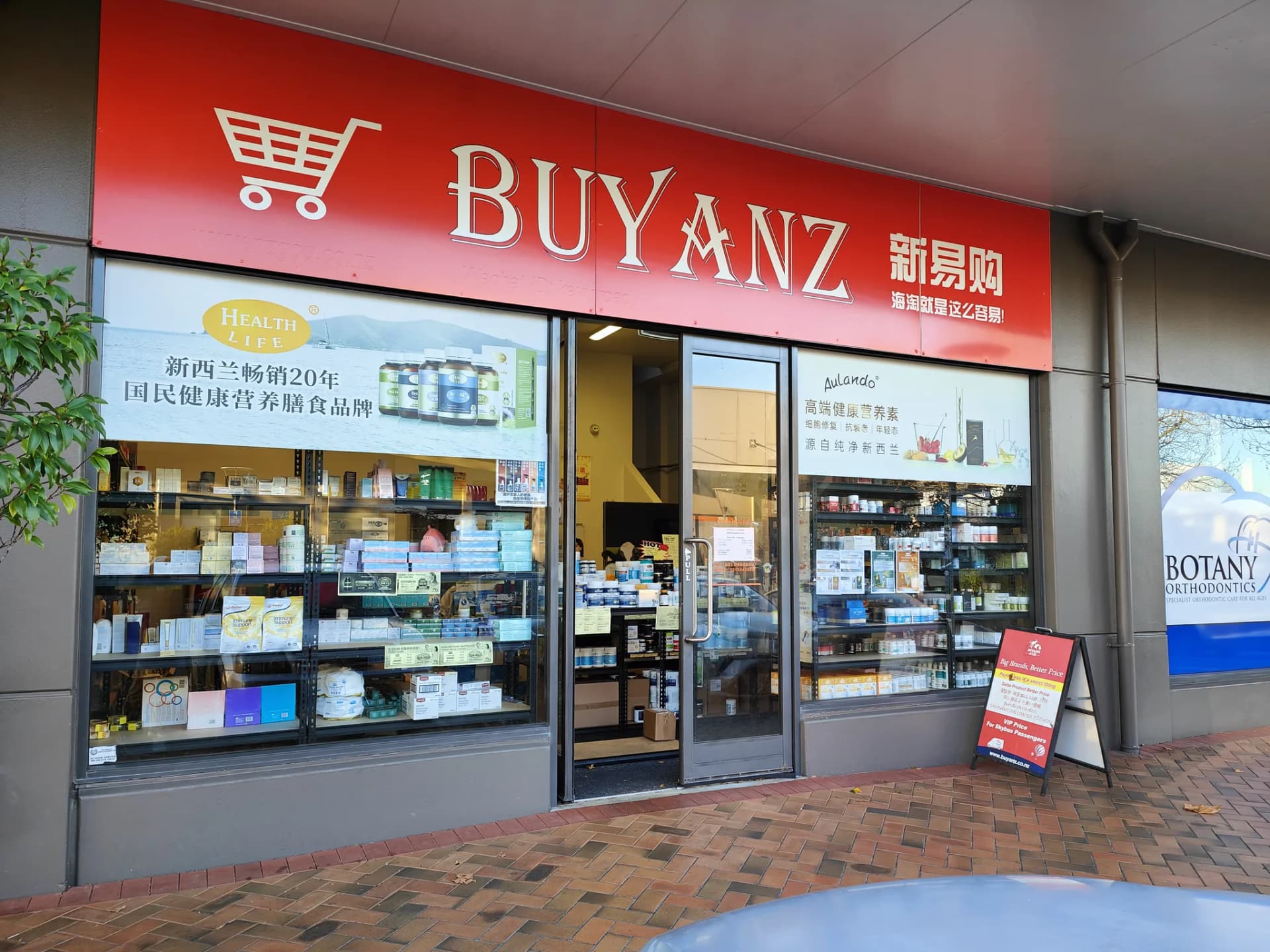
My shop is in Botany Junction. Her restaurant is only a few minutes away on foot. When she needs some health products, she rarely comes over to browse. Sometimes the phone rings and it is her. She may begin with a sentence in Vietnamese that I cannot understand, and then: “Kevin, get something for me.”
“What do you want?”
“You choose it for me.”
If I ask which one she prefers, she says the same thing again: “You choose it.” So I choose it and take it over. Those calls have been coming for years.
A Bag of Lemons
We grow lemons at home. The tree is very good at producing them and, when there are too many, we cannot possibly eat them all. One day I picked a large bag and thought of the restaurant. They often use lemons in cooking, so I carried it over. The owner was delighted. She took the lemons and disappeared into the back.
A little later she came out with two takeaway boxes. One held dry-fried beef ho fun, the other chicken with cashews. Both were dishes I liked. She handed them to me. “Take these home.”
“What’s this for?”
She smiled. “You can eat them tomorrow.”
She said nothing more. I had brought her a bag of lemons; she had given me two boxes of food. By any calculation, I had probably come out ahead. I carried the boxes outside.
And thought again of that bowl of large pork wontons in the little Shanghai lane.